For roadway workers operating on or around active railroad tracks, receiving sufficient warning of an approaching train is a critical part of on-track safety.
The Federal Railroad Administration’s Roadway Worker Protection regulations, contained in 49 CFR Part 214, Subpart C, establish requirements designed to protect roadway workers from moving trains and railroad equipment.
What is train approach warning?
Train approach warning (TAW) is one method of providing on-track safety to roadway work groups.
Under 49 CFR §214.329, when roadway workers in a work group foul a track outside established working limits, approaching trains must be detected by one or more qualified watchmen/lookouts and a warning provided in accordance with the regulation.
The rule sets clear requirements around how that warning must work.
Warning must be provided early enough for every roadway worker to reach a previously arranged place of safety at least 15 seconds before a train travelling at the maximum authorised speed could reach the worker’s location.
Watchmen/lookouts must devote their full attention to detecting approaching trains and communicating the warning. The warning itself must be distinctive, clearly indicate the approach of a train or other on-track equipment, and be detectable by workers regardless of the direction they are looking or noise and distraction from the work being performed.
Employers are also required to provide watchmen/lookouts with the equipment necessary to perform their on-track safety duties.
Train approach warning remains an important safety focus
In February 2026, FRA issued Safety Bulletin 2026-02 following a fatal incident involving a maintenance-of-way work group using train approach warning.
The bulletin reminded railroads, employees and contractors of the importance of complying with Roadway Worker Protection requirements, providing appropriate training and oversight, and maintaining vigilance when TAW is being used.
For rail operators and contractors, this places continued importance on the procedures, training and equipment used to ensure warnings can be delivered effectively when crews are working around active tracks.
Reliable audible warning for railway maintenance crews
49 CFR §214.329 establishes the requirements that train approach warning must achieve, while individual railroads determine the appropriate warning methods and equipment within their Roadway Worker Protection programmes and operating procedures.
The WoodsCan Hornet Railway Safety Kit has been developed specifically for railway maintenance applications where a reliable audible safety signal is required.
The rechargeable unit produces 121 dB, operates in hot and cold conditions, provides more than 2,000 one-second activations per charge, and includes a built-in battery charge indicator and breakaway shoulder strap.
Its railway application is already well established. WoodsCan reports that a major US commuter railway initially purchased 50 Hornet Railway Safety Kits after experiencing reliability problems with disposable compressed-gas horns used by spotters working alongside track maintenance crews. Following the initial deployment, the railway subsequently purchased hundreds more kits.
For maintenance teams reviewing their safety signalling equipment, rechargeable systems can also remove the recurring reliance on disposable compressed-gas canisters while providing a consistent, readily available warning device.
Carroll Technologies Group supports mines with this critical infrastructure, together with the installation, repair and technical expertise needed to maintain it throughout its working life.
Mine electrification is often discussed in terms of battery-electric haul trucks, loaders and drilling equipment. While these machines may be the most visible part of the transition, an electric fleet can only perform as well as the infrastructure behind it.
Mines need sufficient electrical capacity, mine-duty distribution equipment, reliable connectors, motor controls, circuit protection, ground monitoring, communications and safety systems. Each part must be appropriate for the mine environment and capable of supporting equipment as operating areas and power requirements change.
Carroll Technologies Group does not supply the large electric mining fleets themselves. Its role is to provide and support many of the systems around them, helping mines deliver, connect, control, monitor and protect electrical power across underground and surface operations.
What Is Mine Electrification?
Mine electrification means increasing the use of electrically powered equipment and systems while reducing reliance on diesel and other fossil fuels. Depending on the operation, this can include battery-electric vehicles, electric drills, trolley-assist haulage, electric pumps and ventilation equipment, conveyors, processing machinery and charging infrastructure.
The transition may be introduced gradually. A mine might replace selected vehicles, electrify a new working area or upgrade fixed equipment before considering wider fleet changes. Whatever the approach, the supporting electrical network must be reviewed at the same time.
Why Are Mines Moving Toward Electrification?
The potential benefits vary by site, but mines are examining electrification as a way to reduce fuel use, improve energy efficiency and lower emissions from mobile and fixed equipment.
Reduced diesel fuel consumption and associated operating costs
Lower exhaust emissions and diesel particulate matter
Less heat and noise from some types of equipment
Reduced ventilation demand in certain underground applications
Greater compatibility with automation, connected equipment and remote monitoring
More detailed control over the energy used by pumps, fans, conveyors and other motor-driven systems
These benefits are not automatic. Electrification can increase demand on the mine’s power network and introduce new requirements around capacity, protection, charging, maintenance and emergency response. Effective planning must therefore extend beyond the machinery being purchased.
Building the Electrical Infrastructure Behind Mine Electrification
Introducing more electrically powered machinery can significantly increase the demands placed on a mine’s electrical network. Before new equipment is deployed, operators may need to assess whether existing systems can provide sufficient capacity, how power will reach different working areas and what additional controls and protection equipment will be required.
Depending on the operation, this may involve:
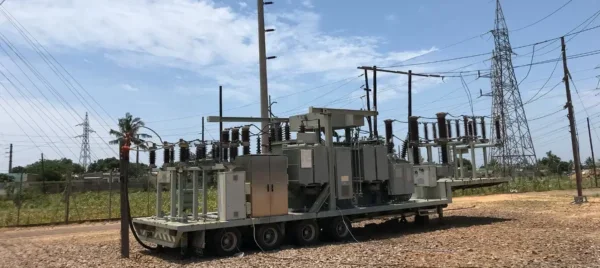
Mine-duty substations and power centers
Transformers and switchgear
Motor starters and variable frequency drives
Circuit breakers and electrical protection devices
Ground monitoring and ground-fault protection
High-capacity cables and electrical connectors
Electrical controls designed for demanding mining conditions
Carroll Technologies Group works with established electrical equipment manufacturers, allowing mines to select products suited to their existing infrastructure, operating environment and future electrification plans.
Mine Power Distribution Systems
Power centers, substations and switchgear help transform, control and distribute electricity to machinery and operating areas across the mine. These systems may need to support pumps, fans, conveyors, crushers, processing equipment and an increasing number of electrically powered mobile and fixed assets.
Carroll supplies power distribution equipment from manufacturers including Line Power, Mining Controls Inc. and SMC/Becker. The available equipment includes mine-duty power centers, substations, switchgear, electrical controls, transformers and ground-protection systems.
Mining Controls Inc. Power Centers and Substations
Mining Controls Inc., commonly known as MCI, designs and manufactures heavy-duty electrical power equipment for underground mining operations. Its range includes customized power centers, substations, AC switchgear, reactors and ground-monitoring equipment.
This makes MCI particularly relevant when a mine needs to expand or adapt its electrical distribution network to support additional powered equipment. The equipment can be specified around the electrical, mechanical and environmental requirements of the individual operation.
SMC/Becker provides electrical components, motor control equipment and power distribution solutions designed for mining environments. Its equipment can support the starting, stopping, control and protection of electrically powered machinery.
The range includes belt power centers with integral starters, distribution boxes, portable substations, electrical controls and explosion-proof motor starters. As mines become more electrically dependent, these controls form an important link between the power network and the machinery it serves.
Carroll also provides factory-authorized support and repairs for SMC equipment, helping customers maintain critical systems after installation.
Power must not only be generated and distributed. It must also be connected safely to the equipment that uses it. Special Mine Services, or SMS, manufactures electrical connectors for mining, tunneling, underground construction, heavy equipment and portable power applications.
The SMS range includes single-pole, multi-pole and quick-lock connectors designed for dependable performance in demanding operating environments. Connectors may appear to be a relatively small part of an electrification project, but they are critical to transferring power between cables, distribution equipment and machinery.
The correct connector can also affect how efficiently equipment is installed, moved, disconnected or replaced as production areas change.
Electric motors operate many of the systems a mine depends on, including conveyors, pumps, ventilation fans, crushers, screens and material-handling equipment. Mine electrification may increase both the number of electric motors in use and the importance of controlling them effectively.
Motor controls can help equipment start and stop correctly, regulate operating speed, protect motors against damaging electrical conditions and reduce unnecessary mechanical stress.
Benshaw Motor Controls, Soft Starters and Drives
Benshaw develops motor control and motor protection solutions for heavy industrial applications. Its mining offering includes low- and medium-voltage soft starters, variable frequency drives and engineered motor control systems for equipment such as conveyors, crushers, pumps, fans and compressors.
A soft starter controls the electrical power supplied while a motor starts, helping to reduce the sudden electrical and mechanical stresses associated with full-voltage starting. A variable frequency drive, commonly known as a VFD, provides greater control over motor speed and torque. This can be particularly useful for pumps, fans and conveyors where output requirements change during operation.
Carroll supplies Benshaw equipment and provides factory-authorized repair and maintenance support.
As operations become more dependent on electrical power, the consequences of overloads, short circuits, grounding problems and equipment faults can become more significant. Electrical protection equipment helps isolate faults, protect machinery and reduce the risk of damage spreading through the wider power network.
Eaton Power Control and Circuit Protection
Eaton provides a broad range of electrical power management, distribution and protection equipment for mining and heavy industry. Through its Eaton and Cutler-Hammer range, Carroll supplies circuit breakers, undervoltage circuit breakers, safety switches, magnet coils and related electrical components.
Circuit breakers help protect electrical systems when excessive or unsafe electrical loads are detected. They can interrupt the circuit before overheating, overloads or short circuits cause further damage.
Carroll Technologies Group is also an authorized Eaton repair center, providing servicing for Eaton mining and industrial equipment using OEM-certified components.
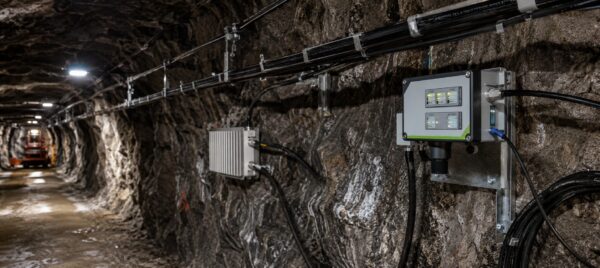
Ground monitoring equipment helps identify faults within a mine’s electrical system and can initiate an alert or shutdown when unsafe conditions are detected. This is particularly important where variable frequency drives, mobile electrical equipment and extensive cable networks are in use.
Carroll supplies fixed and portable electrical ground-monitoring equipment from manufacturers including MCI and Becker/SMC. As mines introduce additional electrically powered equipment, grounding and fault protection should be considered as part of the overall infrastructure design rather than as an individual product purchase.
Transformers remain an important part of mine electrical infrastructure, but their purpose and capacity vary considerably. Large mine-duty transformers may form part of a substation or power center, changing voltage before electricity is distributed to heavy machinery.
Smaller control transformers, including products supplied by Micron, may be used within control circuits and individual pieces of electrical equipment. They are valuable supporting components, but they should not be presented as the principal transformer behind a wider mine-electrification project.
The size, voltage, load and purpose of the transformer must therefore be matched carefully to the application. Carroll can help operations identify appropriate transformers and related components from its wider network of electrical equipment partners.
Mine electrification often develops alongside automation, remote operation and increased use of connected equipment. Workers still need reliable voice communication, while control teams may need to receive alerts and operational information from different areas of the mine.
Each communications technology has a different purpose. Portable radios, fixed mine phones and leaky feeder networks should therefore be considered separately rather than grouped together as a single product solution.
Portable Mine Radios
Portable radios allow workers and supervisors to communicate while moving around the site. They may be used for routine coordination, maintenance work and emergency communications. Carroll supplies radio solutions for underground and surface operations, including equipment from Icom America.
Fixed mine phones provide established communication points in important locations such as working areas, refuge areas, maintenance facilities and travel routes. They continue to provide a straightforward way to contact other areas of the operation, even as more advanced wireless and connected systems are introduced.
A leaky feeder system uses cable installed through the mine to transmit and receive radio signals. It can extend wireless communication into underground areas where conventional radio coverage would otherwise be limited.
This makes leaky feeder infrastructure particularly relevant to mines that need dependable communication across expanding or changing working areas. Depending on the system, the network may also support data transfer and other connected technologies.
Protecting Workers Around Changing Equipment Fleets
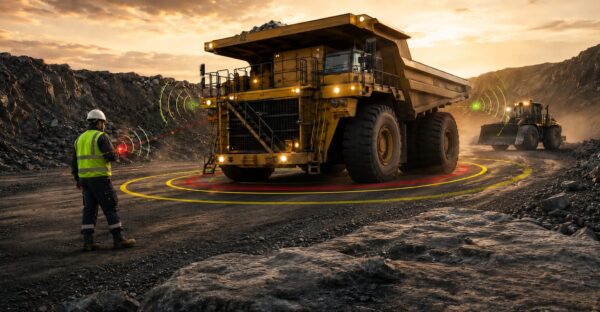
Electrification may change the type of machinery operating at a mine, but it does not remove the risks created when workers and mobile equipment occupy the same area. Battery-electric and remotely operated vehicles may also be quieter than conventional diesel machinery, making visual awareness, traffic procedures and technology-based warnings particularly important.
Proximity detection and collision warning systems can help alert operators or personnel when workers, vehicles or other hazards are nearby. The right system should reflect the mine layout, equipment types, traffic routes and interaction risks present at the individual site.
Reducing the number of diesel engines underground may help lower diesel exhaust and heat, but it does not eliminate the need for atmospheric monitoring. Mines may still need to detect flammable gases, toxic gases, oxygen-deficient environments and atmospheric changes following a fire or equipment incident.
Portable multi-gas detectors allow personnel to monitor conditions while working or inspecting different areas of the mine. Fixed monitoring systems may also be needed where continuous information must be sent to a control room or wider monitoring network.
Supporting Electrical Equipment Over Its Full Lifecycle
Mine electrification is not completed when new equipment is commissioned. Power distribution systems, communication networks, monitors and safety devices require ongoing inspection, testing, maintenance and repair. Mines also need access to replacement parts and technical support when equipment does not perform as expected.
Planning for this support from the beginning can help reduce downtime and prevent important systems from being left out of service. This is particularly important where a fault in one electrical or communications component could affect a larger part of the operation.
Carroll Technologies Group supports the products it supplies with access to troubleshooting, spare parts, factory-authorized repair facilities and 24/7 technical support. This allows customers to consider the long-term serviceability of equipment alongside its initial specification and installation.
Every mining operation will take a different approach to electrification. Some may replace selected diesel vehicles, while others may introduce electric equipment as new sections are developed. In either case, the supporting infrastructure should be considered from the beginning.
A mine electrification plan should consider:
How much additional power will be required now and in the future
How power will be transformed, distributed and extended across the operation
Where power centers, substations, switchgear and transformers will be needed
How mobile and fixed equipment will be connected to the electrical network
Which motor controls, soft starters and drives are appropriate for each application
How overloads, short circuits, grounding problems and other faults will be detected and isolated
Whether communications coverage must be expanded or upgraded
How personnel will be protected around new mobile and remotely operated equipment
What inspection, repair, spare-parts and technical support will be available throughout the equipment lifecycle
By treating power distribution, control, protection, communications and safety as parts of the same strategy, mines can create a more reliable foundation for electric equipment and future technology adoption.
How Carroll Technologies Group Supports Mine Electrification
Carroll Technologies Group supports mining operations with the electrical, communications, monitoring and safety infrastructure required as sites become more electrically powered and connected.
Through relationships with manufacturers including Line Power, Mining Controls Inc., SMC/Becker, Special Mine Services, Benshaw and Eaton, Carroll can help customers identify products suited to their existing systems, operating conditions and planned equipment changes. Smaller components, including Micron control transformers, can be specified where they serve an appropriate supporting application.
Carroll also supports customers beyond the initial purchase with technical advice, installation support, troubleshooting, servicing and factory-authorized repairs. This combination of equipment and lifecycle support is where Carroll’s role in mine electrification is strongest.
For rail safety teams, the wider conversation around the Railway Safety Act is important. But when it comes to emergency escape breathing apparatus, the most relevant Federal Railroad Administration regulation is more specific: 49 CFR Part 227, Subpart C.
This is the FRA regulation that sets out Emergency Escape Breathing Apparatus Standards for certain freight rail operations. It is particularly relevant to railroads transporting hazardous materials that could create an inhalation hazard if released during an accident.
For operators reviewing their safety equipment needs, the rule raises practical questions. Who needs access to emergency escape breathing apparatus? What type of equipment should be selected? How should it be stored, inspected and maintained? And how can operators source equipment that supports their planning?
Carroll Technologies Group supports railroad operators with safety equipment for demanding rail environments, including the Ocenco M-20.2 Rescuer Breathing Device, gas detection equipment, communications equipment, PPE, lighting and other rail safety products.
What is the Railway Safety Act?
The Railway Safety Act is proposed federal legislation focused on strengthening rail safety in the United States. It was reintroduced in 2026 following the Norfolk Southern derailment in East Palestine, Ohio and is intended to address wider rail safety concerns including freight rail oversight, hazardous materials, emergency response, inspections and penalties.
The Railway Safety Act is not the same thing as the FRA EEBA regulation. It is a broader legislative proposal, while 49 CFR Part 227, Subpart C is the specific regulation rail operators should review when looking at emergency escape breathing apparatus requirements.
However, the two are connected by the same wider issue: how railroads prepare for high-risk operating environments, particularly when hazardous materials are involved.
What does the Federal Railroad Administration do?
The Federal Railroad Administration (FRA), is part of the US Department of Transportation. Its Office of Railroad Safety promotes and regulates safety across the nation’s railroad industry, including compliance and enforcement in areas such as hazardous materials, motive power and equipment, operating practices, signal and train control, grade crossings and track.
For rail operators, FRA rules are central to safety planning. They define requirements across different areas of railroad operations and provide the regulatory framework that operators must use when reviewing equipment, training, maintenance and recordkeeping obligations.
In the case of emergency breathing equipment, the key FRA regulation is 49 CFR Part 227, Subpart C.
What is 49 CFR Part 227, Subpart C?
49 CFR Part 227, Subpart C is the Federal Railroad Administration regulation covering Emergency Escape Breathing Apparatus Standards.
The rule applies to certain freight rail operations involving PIH materials, which are materials that are poisonous by inhalation. In plain terms, the regulation is concerned with protecting covered rail employees who may be in a locomotive cab if a hazardous material release creates an inhalation hazard.
The FRA’s 2024 final rule amended 49 CFR Part 227 to require freight railroads to provide covered employees with appropriate atmosphere-supplying emergency escape breathing apparatus when occupying the locomotive cab of a train transporting hazardous materials that would pose an inhalation hazard if released during an accident.
The rule also requires railroads to establish programmes covering the selection, procurement and provision of EEBAs, as well as inspection, maintenance, replacement and employee instruction.
Who does the FRA EEBA rule apply to?
Under 49 CFR Part 227, Subpart C, the requirement is focused on covered employees in the locomotive cab of an in-service freight train transporting PIH materials.
The rule identifies covered employees as including train employees, direct supervisors of train employees, deadheading employees and other employees designated by the railroad in writing.
The regulation is not a general requirement for every rail employee in every rail environment. It is specific to the circumstances set out in the rule, particularly locomotive-cab occupancy on freight trains transporting PIH materials.
Rail operators should review the full regulation and seek appropriate compliance advice when determining how the rule applies to their operations.
What does 49 CFR Part 227, Subpart C require?
The regulation covers several practical areas of EEBA planning.
Railroads must select an atmosphere-supplying EEBA that protects against the PIH materials being transported. The equipment must meet recognised criteria, including requirements around minimum breathing capacity and accepted standards.
The rule also covers storage. EEBAs must be stored in a way that protects the equipment from damage, contamination, dust, sunlight, extreme temperatures, moisture and chemicals. Storage must also allow subject employees to access the EEBA during an emergency and locate it in adverse conditions, such as darkness or disorientation.
Inspection, maintenance and replacement are also part of the regulation. Railroads must establish and comply with written procedures for inspecting, maintaining and replacing required EEBAs. This includes pre-trip inspection procedures, periodic inspection and maintenance in line with manufacturer recommendations and procedures for replacing defective, failed or used equipment.
Employee instruction is another key part of the rule. Railroads must provide instruction on the purpose, limitations, use, inspection, storage and maintenance of EEBAs.
Why does EEBA selection matter?
EEBA selection is one of the most commercially important parts of the regulation for rail safety teams.
The equipment must be suitable for the materials being transported and the escape purpose it is intended to support. Under the rule, each EEBA must be fully charged and contain a minimum breathing capacity of 15 minutes at the time of the required pre-trip inspection.
The regulation also recognises standards including ISO 23269-1:2008, BS EN 13794:2002 and BS EN 1146:2005, as well as NIOSH certification for escape-only respirators under the relevant criteria.
For rail operators, this means EEBA procurement is not simply about buying any emergency breathing device. The product selected needs to be reviewed against the FRA requirements, the materials being transported, the operating environment and the railroad’s internal safety procedures.
Ocenco M-20.2 Rescuer Breathing Device for railroad EEBA planning
Carroll Technologies Group supplies the Ocenco M-20.2 Rescuer Breathing Device, a self-contained, closed-circuit breathing apparatus designed to support emergency escape from toxic or oxygen-deficient atmospheres.
The Ocenco M-20.2 has a 15-minute performance duration, a donning time of less than 10 seconds and ISO 23269-1:2008 approval. These product characteristics make it a relevant option for rail operators reviewing EEBA needs in light of 49 CFR Part 227, Subpart C.
Rail operators can view the Ocenco M-20.2 Rescuer Breathing Device through Carroll Technologies Group’s online store.
How Carroll Technologies Group supports rail safety teams
Carroll Technologies Group supplies safety, efficiency and communications equipment for rail, mining, tunnelling, construction and other demanding industrial sectors.
For the rail industry, Carroll can support operators with emergency escape breathing apparatus, respiratory protection, gas detection equipment, communications equipment, fall protection, PPE, lighting and other safety products for challenging environments.
For teams reviewing the FRA EEBA rule, Carroll’s existing guide to the railroad oxygen-based self-rescuers mandate provides a practical introduction to the regulation and what rail operators need to consider.
Carroll can also support product sourcing for the Ocenco M-20.2 Rescuer Breathing Device, helping railroad operators access equipment information as they review procurement, replacement and emergency preparedness requirements.
Planning for rail safety beyond the Railway Safety Act
The Railway Safety Act has helped bring rail safety, hazardous materials and emergency response back into focus. But for operators looking at specific equipment requirements, the most important next step is understanding the regulations that already apply to their operations.
For EEBA planning, that means reviewing 49 CFR Part 227, Subpart C, understanding how the Federal Railroad Administration rule applies and identifying suitable emergency escape breathing apparatus for covered employees.
Carroll Technologies Group can help railroad operators source relevant rail safety equipment, including the Ocenco M-20.2 Rescuer Breathing Device, as part of a wider approach to emergency preparedness and worker safety.
This article is provided for general informational purposes only and should not be treated as legal or compliance advice. Rail operators should review the full FRA regulation and seek appropriate advice when determining their obligations under 49 CFR Part 227, Subpart C.
From mines and tunnels to trenchless construction sites and emergency rescue operations, Sybet’s portable communications systems enable secure, wireless voice communication and tracking without the need for pre-installed infrastructure. Whether you’re conducting routine maintenance or responding to a life-threatening incident, Sybet systems are engineered to deliver fast deployment, extended operational time, and absolute reliability.
Why Portable Underground Communications Systems Matter
In underground worksites, especially during rescue operations, there is no time to waste installing cables or permanent communication lines. Immediate communication between underground teams and the surface is essential not just for efficiency, but for survival.
Sybet systems are uniquely suited for:
Mine rescue operations
Tunnel maintenance and exploration
Trenchless and utility construction
Cave or viaduct inspections
Any scenario lacking fixed underground-to-surface infrastructure
Their plug-and-play design and battery-powered nodes enable rapid setup in even the most challenging environments.
Tailored Communications Systems for Different Underground Challenges
Sybet offers several advanced systems, each suited for different underground applications:
SWAR-2EX System
Designed for mine rescue and emergency response, the SWAR-2EX creates a temporary wireless communication network using a series of portable battery radio nodes and radiotelephones. It supports voice communication, position tracking, and network health monitoring. A fully charged node can operate for up to five days, providing uninterrupted connectivity during long-duration missions.
SpellCom System
Ideal for cave systems, dam inspections, or other confined underground spaces, SpellCom uses compact MiniNodes to create a scalable radio network. It supports localization, phone tracking, battery-level monitoring, and can be expanded to suit both small-scale and large-scale deployments.
With support for ATEX and IECEx-certified devices, Sybet systems meet international safety standards for explosive atmospheres, making them a trusted choice for hazardous mining environments.
Every Rescue Team Should Be Equipped
Communication is the backbone of any rescue effort. In situations where lives are on the line and infrastructure is damaged or absent, Sybet systems provide the only portable communication solution capable of linking underground personnel with surface teams in real-time. Deploying a Sybet network can be the difference between delay and rescue.
That’s why every mine rescue team should have immediate access to a Sybet system and a sufficient number of nodes, ready for deployment whenever an emergency arises.
See the Sybet System in Action
Experience the rapid deployment and operational efficiency of Sybet’s portable communication systems through the following demonstration. This video showcases the placement of Sybet nodes within a tunnel environment, highlighting the system’s ease of setup and robust performance in underground conditions.
This visual demonstration underscores the practical benefits of Sybet’s technology, particularly in scenarios where immediate and reliable underground communication is critical.
Expert consultation to choose the right Sybet system for your needs
Full installation and setup support
24/7 post-purchase technical assistance through MinerCare™
Servicing and repair to keep your systems running smoothly
Whether you need a portable system for a single site or are equipping multiple rescue teams across a region, Carroll Technologies has the experience, inventory, and support network to deliver.
Get in Touch
To learn more about Sybet systems or to discuss your site’s specific communication needs, contact Carroll Technologies today. Our experts are here to help you build safer, smarter underground operations – without compromise.
Silent-Seal® VCF is engineered to expand quickly and adhere to a variety of surfaces, forming strong, airtight seals around ventilation structures such as metal and block stoppings. This helps direct airflow precisely where it’s needed, improving the overall efficiency and effectiveness of a mine’s ventilation network.
Formulated with a hydrofluoroolefin (HFO) blowing agent, Silent-Seal® VCF aligns with sustainability goals by offering reduced global warming potential without compromising performance. It becomes tack-free in just 10 to 25 seconds and fully cures within an hour, enabling quick, efficient application even in fast-paced or remote mining operations. Its bright yellow color further supports visual verification during installation.
The Evolution of Industrial Rope: Strength Meets Innovation
Traditional rope materials, including natural fibers and steel wire, have long been used in industrial applications. However, these materials come with significant limitations. Natural fiber ropes degrade quickly when exposed to moisture and UV rays, while steel wire ropes, though strong, are heavy, prone to corrosion, and require extensive maintenance.
Innovative synthetic rope technology has proven to be a game-changer, overcoming these limitations. Synthetic ropes, particularly those made from high-performance fibers such as Dyneema®, offer the perfect balance of strength, lightweight construction, and longevity. Unlike steel wire, synthetic ropes are easier to handle, which reduces strain on workers and improves overall safety.
Samson Rope: Pioneering the Future of Industrial Ropes
Samson Rope has built its reputation on relentless research and development, consistently introducing groundbreaking rope solutions that enhance safety and efficiency. These solutions include synthetic ropes designed to handle extreme loads while maintaining flexibility and ease of use. The company’s Dyneema® fiber ropes are up to 15 times stronger than steel by weight, making them ideal for applications where strength and lightweight performance are critical.
One of the most significant advantages of Samson’s synthetic ropes is their reduced weight compared to steel wire ropes. This makes them easier to transport, install, and maneuver, drastically reducing the risk of workplace injuries caused by heavy lifting. Additionally, synthetic ropes do not develop dangerous wire splinters, further improving safety for workers. Furthermore, whether exposed to saltwater, chemicals, or extreme weather, Samson’s ropes are engineered to withstand the most demanding conditions.
Looking Ahead: The Future of Industrial Rope Technology
The future of industrial rope technology lies in continued innovation, and Samson remains at the cutting edge. With advancements in fiber technology, rope coatings, and digital monitoring systems, the next generation of ropes will be even stronger, safer, and smarter.
From reducing carbon footprints with more sustainable materials to integrating smart sensors that provide real-time load data, Samson is driving the evolution of industrial rope solutions. By investing in research and development, the company ensures that industries relying on rope technology will continue to benefit from lighter, stronger, and more resilient solutions.
You can find us at Booth #6729N, where we will showcase our comprehensive range of mining solutions, including cutting-edge communications, collision avoidance, dust management, and electrical & electronics solutions. Our presence at PDAC 2025 underscores our commitment to supporting Canadian mining operations with innovative technologies that enhance safety, efficiency, and productivity.
What We’re Showcasing at PDAC 2025
As a leader in mining safety and efficiency solutions, Carroll Technologies Group provides a full suite of products tailored to the unique challenges faced by mining operations. At PDAC 2025, we will highlight our communications and tracking solutions, advanced proximity detection systems, dust and silica control technologies, and specialized electrical and electronic systems.
In addition to our core offerings, we are excited to introduce our newest product partners for 2025, each bringing cutting-edge solutions to the industry:
Why Visit Carroll Technologies Group at PDAC 2025?
With over 40 years of experience serving the mining industry, Carroll Technologies Group is a trusted name in safety, communications, and operational efficiency. Our team of experts will be available at PDAC 2025 to discuss how our solutions can support Canadian mining operations, ensuring safer and more efficient workflows. Whether you’re looking for cutting-edge safety technologies or industry-leading support services, we are here to help.
PDAC 2025 presents a unique opportunity for us to connect with mining professionals across Canada and demonstrate how our products and solutions can drive efficiency and enhance mine safety. We look forward to meeting industry leaders, decision-makers, and innovators who are shaping the future of mining in Canada.
See You at PDAC 2025!
If you’re attending PDAC 2025, be sure to visit Booth #6729N to learn more about Carroll Technologies Group and our latest offerings. To schedule a meeting with our team in advance, please get in touch with us today.
A National Safety, Electrical and Electronics Sales and Service Company in the Knoxville, TN area has an immediate opening for an Administrative Assistant. Duties consist of but are not limited to, support of all Sales staff, general office duties, inventory management, and providing service to customers (walk-in and phone). Must have computer skills, able to multi-task, verbal and written communication skills, interpersonal and organizational skills along with the ability to work independently.
About Carroll Technologies Group
Carroll Technologies Group is a leading provider of safety, communication, and efficiency solutions for the mining and industrial sectors across North America. With over 40 years of experience, we support thousands of customers by delivering high-quality products, expert services, and 24/7 technical support.
Our product range includes mine safety equipment, gas detection, atmospheric monitoring, power distribution, collision avoidance, and wireless communications—helping to keep workers safe and operations running smoothly. In addition to supplying top-tier technology, we operate MSHA-certified repair and service centers to ensure fast, reliable maintenance for our customers.
Please send resumes to vah@carrollengineeringco.com
Or mail to PO Box 860 Harlan, KY 40831
Alternatively, click the button below to apply now.
Industries such as mining, manufacturing, agriculture, and oil and gas operate in some of the world’s harshest environments. Dust storms, muddy terrain, and extreme weather can obstruct camera lenses, making real-time monitoring virtually impossible without constant maintenance. Traditional cleaning methods, often labor-intensive and costly, do little to resolve the problem long-term. This creates a gap where advanced, automated solutions become indispensable.
ExcelSense, a pioneer in optical technology, bridges this gap. By leveraging cutting-edge innovation, the company provides robust, self-cleaning cameras that ensure uninterrupted visibility without human intervention.
How ExcelSense Redefines Self-Cleaning Cameras
ExcelSense’s proprietary technology is designed to outperform traditional solutions by integrating automated cleaning mechanisms directly into their camera systems. Here’s what sets their solutions apart:
Automated Lens Cleaning
ExcelSense cameras come equipped with built-in self-cleaning mechanisms that can remove dirt, water, or debris in real time. This eliminates the need for frequent manual maintenance and ensures a clear field of vision at all times.
Durability in Extreme Conditions
Whether it’s sub-zero temperatures in Arctic operations or searing heat in desert environments, ExcelSense cameras are engineered to withstand extreme conditions. Their rugged designs resist corrosion, impacts, and fluctuating weather, extending the product lifespan.
Seamless Integration
Recognizing that every industrial setup is unique, ExcelSense offers solutions that integrate seamlessly with existing monitoring systems. These cameras are compatible with various platforms, making adoption hassle-free for businesses.
Cost and Time Efficiency
By automating lens cleaning, ExcelSense minimizes operational downtime, reduces labor costs, and increases equipment uptime—an attractive proposition for industries striving to enhance profitability.
Industry Applications
The versatility of ExcelSense’s self-cleaning cameras makes them ideal for a range of industries:
Mining: Dust clouds and debris accumulation on camera lenses can hamper safety monitoring. ExcelSense cameras maintain visibility, ensuring compliance with safety regulations.
Agriculture: Mud splatters and water spray are no match for these cameras, which help farmers monitor operations in real time without manual intervention.
Oil and Gas: The harsh offshore and onshore environments require robust equipment. ExcelSense cameras perform reliably in these demanding conditions, improving safety and operational oversight.
Selecting the right camera system is essential to ensure optimal performance and durability, and mines need to know what key features to look out for.
1. Self-Cleaning Technology
One of the most significant advancements in mine camera systems is the integration of self-cleaning technology. Traditional industrial cameras often require compressed air, external cleaning fluids, or manual maintenance to remain functional. However, cameras like ExcelSense’s ToughEye series have incorporating patented self-cleaning mechanisms that eliminate the need for consumables or external systems.
ExcelSense ToughEye cameras utilize a reconditionable optical micro-surface that actively resists the adhesion of contaminants. A proprietary internal mechanism periodically refreshes the lens, removing abrasive particles without causing damage. This innovation ensures uninterrupted visibility in environments filled with abrasive dust, mud, oil, and salt—common hazards in mining operations.
2. Durability in Harsh Conditions
Mine cameras must withstand extreme environmental conditions, including temperature fluctuations, high humidity, and abrasive materials. High-performance systems feature robust housings made from corrosion-resistant materials, advanced sealing to prevent ingress, and shock resistance to endure vibrations from heavy machinery.
3. High-Quality Imaging
Clarity is critical for effective monitoring in mining environments. High-performance mine cameras should offer:
High resolution: Ensuring detailed imagery for accurate analysis.
Wide dynamic range (WDR): Maintaining visibility in environments with variable lighting conditions.
Low-light performance: Enabling clear imaging in dimly lit areas such as underground tunnels.
Advanced imaging technology helps operators detect potential hazards and monitor critical operations with precision.
4. Flexible Integration and Control
Modern mine cameras need to integrate seamlessly with existing systems and offer flexible control options. Features such as network commands, scheduled cleaning intervals, and manual triggers allow for tailored operation. Compatibility with industrial protocols like Ethernet/IP or Modbus ensures smooth integration into broader monitoring and automation frameworks.
5. Low Maintenance Requirements
Frequent maintenance can disrupt operations and increase costs, particularly in remote mining sites. Self-cleaning cameras significantly reduce the need for manual intervention, enabling maintenance-free operation even in the most demanding conditions. By minimizing downtime, these systems improve overall productivity and reduce long-term costs.
6. Enhanced Safety Features
Safety is a top priority in mining operations. High-performance cameras contribute to safer working conditions by providing continuous visibility of critical equipment and processes. By supporting real-time monitoring and quick decision-making, these systems help mitigate risks and prevent accidents.